Turkey Dinner Machine Embroidery: A Designer's Review
As someone who spends hours hunched over embroidery machines, digitizing files, and troubleshooting thread breaks, I approach every new machine embroidery design with a critical eye. It is not just about whether an image looks cute on a screen; it is about how that digital embroidery file translates into thread on fabric. Recently, I took a close look at the Turkey Dinner Machine Embroidery design to see if it holds up for real-world projects. This isn't a generic product description; this is a practical assessment for fellow designers, Etsy sellers, and craft business owners who need to know if a design is worth their time and materials.
First Impressions and Visual Personality
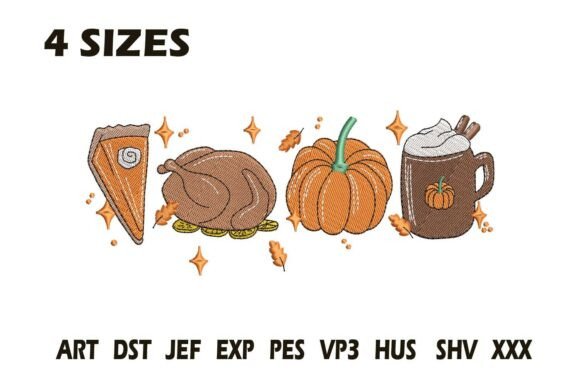
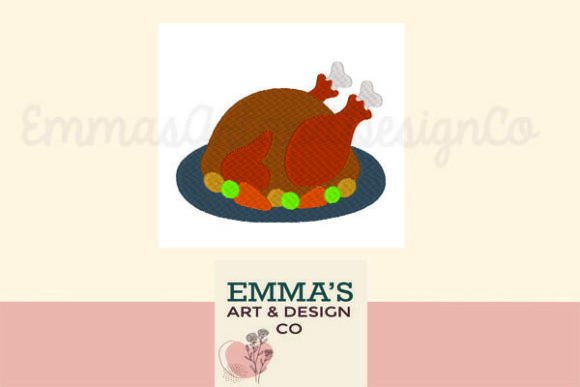
When I first loaded the preview of the Turkey Dinner Machine Embroidery, the immediate impression was one of warmth and traditional holiday charm. The layout feels balanced, avoiding the cluttered look that often plagues seasonal designs. As a filled embroidery design, it relies heavily on fill stitch work to create volume and texture, which is essential for making the subject pop against various backgrounds. The mood it creates is distinctly cozy, evoking thoughts of family gatherings and autumn harvests without feeling overly cartoonish or childish.
The visual personality of this piece suggests it belongs on items meant to be displayed or worn with pride during the season. It has a classic feel that bridges the gap between a whimsical holiday embroidery motif and a sophisticated home décor accent. For a designer, the clean lines and defined shapes suggest that the digitizer paid attention to flow, which usually translates to fewer jumps and trims during the actual stitching process.
Real-World Application: The Tote Bag Test
To truly evaluate this design, I imagined a specific scenario: creating a limited run of custom tote bags for a local boutique's Thanksgiving promotion. Tote bags are a staple small shop product, but they can be tricky due to the weave of the canvas. The Turkey Dinner Machine Embroidery seems ideally suited for this application. Because it is described as professionally digitized for smooth stitching, I anticipate the fill areas would cover the fabric texture well without sinking in, provided the right stabilizer is used.
In this context, the design acts as a focal point. Placed centrally on a natural cotton canvas bag, the rich thread colors typical of a turkey dinner theme—browns, golds, and deep reds—would stand out beautifully. For an Etsy seller, this kind of handmade product offers high perceived value. Customers love personalized items, and adding a monogram alongside this design could elevate a simple bag into a cherished personalized gift. The scale of the design appears versatile enough to work on a standard tote without overwhelming the surface area.
Versatility Across Different Products
Beyond tote bags, the versatility of this embroidery project extends to various other substrates. Here is how I see it performing across different categories:
- Custom Apparel: On a sweatshirt, this design would make an excellent chest logo or a large back piece. The density of the fill stitches should provide good coverage on fleece or French terry fabrics.
- Kitchen Textiles: Think tea towels or aprons. The theme is obviously appropriate for the kitchen, and a crisp stitch out on linen or cotton blend would look professional.
- Home Décor: Pillow covers are another strong contender. The design's filled nature means it will have a tactile quality that invites touch, enhancing the cozy atmosphere of a living room.
- Patches: If stitched on twill with a merrow edge, this could serve as a fantastic iron-on or sew-on patch, adding value to jackets or hats.
However, when considering commercial embroidery or high-volume production, consistency is key. The description notes "clean results," which implies reliable stitch paths. This is crucial when you are producing fifty units for a client; you cannot afford a design that requires constant manual trimming or re-hooping.
Technical Considerations and Fabric Challenges
While the design shows promise, a responsible designer must also identify potential pitfalls. Not every fabric plays nice with every file. Here are some areas where caution is advised when using the Turkey Dinner Machine Embroidery:
- Fabric Texture and Weight: On very thin or stretchy fabrics, such as lightweight jersey for baby embroidery, the density of the fill stitches might cause puckering. It is vital to use a cut-away stabilizer rather than tear-away to support the weight of the thread.
- Dark Fabrics: If stitching on black or navy garments, ensure the design includes underlay stitches or plan to use a lighter backing material to prevent the dark fabric from showing through the fill areas.
- Curved Surfaces: While it might look good on a cap, curved surfaces distort designs. Check the hoop size compatibility carefully. If the design is too wide, it may not fit a standard cap frame without resizing, which can affect stitch density.
- Small Details: Inspect the smallest elements of the design. Tiny running stitches or fine details can get lost if the thread tension is slightly off or if the fabric has a loose weave.
It is also important to consider the end-user experience. If this design is applied to an item that needs frequent washing, like a child's bib or a kitchen towel, the stitch integrity must be robust. A well-digitized fill stitch should hold up, but always recommend proper care instructions to your customers.
Enhancing Brand Value and Customer Trust
Ultimately, the choice of design assets reflects on your brand. Using a high-quality file like the Turkey Dinner Machine Embroidery signals professionalism. When a customer receives a finished product with clean edges, no bird nests, and vibrant color transitions, their trust in your craft business grows. This design has the potential to boost buyer engagement because it taps into a specific emotional connection to the holiday season.
For those creating printable mockups for online listings, the clear definition of this design makes it easy to visualize on different products. A good mockup can sell an item before it is even stitched, and a design with strong visual appeal makes that job easier. Whether you are selling the physical embroidered patch or the custom apparel itself, the aesthetic quality of the source file matters immensely.
Final Designer Notes and Best Practices
Before committing to a full production run or listing this as a new item in your shop, here are my practical recommendations:
- Test First: Always stitch out the design on a scrap piece of the actual fabric you intend to use. This reveals how the stitch density interacts with the material.
- Check Contrast: Review your thread chart. Ensure there is enough contrast between adjacent color blocks so the details remain visible from a distance.
- Verify Licensing: Since this is a commercial consideration, confirm the license terms. Can you sell the finished physical items? Are you allowed to sell the embroidery file itself? Never assume; always read the provider's terms.
- Hoop Size Confirmation: Double-check that the design fits your available hoops, especially if you are working with smaller machines or specific frames for hats and sleeves.
- Mockup Testing: Try viewing the design in black and white to ensure the shape holds up even without color reliance. This helps gauge the strength of the underlying structure.
In conclusion, the Turkey Dinner Machine Embroidery appears to be a solid choice for designers looking to add festive flair to their repertoire. Its professional digitization promises smooth execution, and its thematic relevance makes it a timely addition to any autumn collection. By understanding its strengths and respecting its technical requirements, you can leverage this design to create stunning, marketable products that resonate with customers. Happy stitching!