Review: Red Flying Bird Embroidery Design for Business
As an embroidery designer who has spent years digitizing and reviewing files for commercial use, I approach every new machine embroidery design with a critical eye. It is not just about whether the image looks pretty on a screen; it is about how that digital embroidery file translates into a tangible asset for a brand. Today, I am reviewing the Red Flying Bird Embroidery Design, a piece that promises to add a bold and elegant touch to various projects. For small business owners, boutique operators, and apparel decorators, understanding the nuance of this design is crucial before committing to production runs for merchandise or uniforms.
First Impressions and Visual Personality
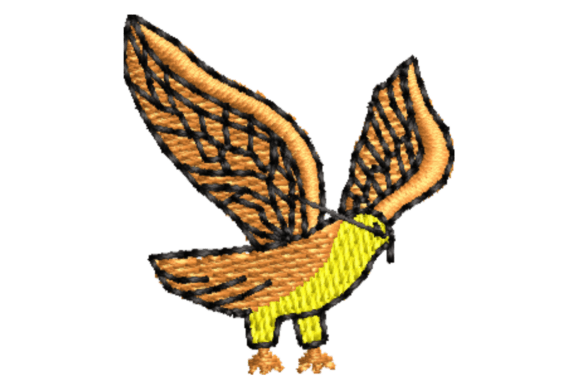
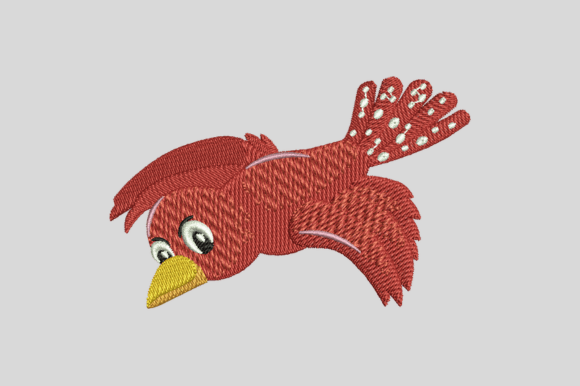
Upon initial inspection, the Red Flying Bird Embroidery Design exudes a sense of freedom and grace. The description highlights a "beautifully detailed bird soaring gracefully," which immediately suggests a visual personality that is both organic and dynamic. For brands in the nature, wellness, or creative sectors, this imagery aligns perfectly with values of growth and movement. The choice of red as the primary color is strategic; it is bold enough to grab attention on a neutral background yet retains an elegance that prevents it from looking childish or overly aggressive.
This design feels versatile. It strikes a balance between a handmade product aesthetic and a polished, professional look. For a florist or a bakery, it offers a rustic charm without sacrificing sophistication. However, the term "detailed" in the product description warrants a closer look regarding stitch density. In the world of commercial embroidery, high detail can sometimes lead to issues if the file is not optimized for specific fabrics. A design that looks stunning on a dense twill might struggle on a lightweight cotton tote if the stitch count is too high.
Real-World Applications for Small Business Merch
The true test of any embroidery file is its application in real-world scenarios. Let us imagine a local coffee shop looking to upgrade their staff attire. The Red Flying Bird Embroidery Design could serve as an excellent chest logo accent on aprons. The soaring motion of the bird adds energy to the uniform, reinforcing the idea of fresh, uplifting service. Similarly, for a boutique selling handmade goods, this design works beautifully as an embroidered patch sewn onto packaging or included as a free gift with purchase, enhancing the unboxing experience.
Consider the potential for custom apparel and accessories. For a pet brand or an outdoor gear retailer, placing this design on the front of a structured cap creates a strong focal point. The red thread contrasts sharply against navy, black, or khaki caps, ensuring high visibility. Furthermore, using this motif on tote bags transforms a simple carry-all into a statement piece. When customers walk around town with a bag featuring this graceful bird, they become walking advertisements for your brand identity.
For Etsy sellers and crafters, this design can be a key component of small business merch. It can be applied to throw pillows, wall hangings, or even incorporated into quilt blocks. The versatility allows creators to expand their product lines without needing to source entirely new design assets. Whether used for event merch at a local fair or as a permanent fixture on work shirts, the design's ability to convey emotion through imagery makes it a valuable tool for customer engagement.
Technical Considerations and Placement Challenges
While the aesthetic appeal is evident, practical execution requires caution. One must consider where the Red Flying Bird Embroidery Design should be used carefully. If you intend to scale this down for a small patch size, such as a sleeve detail or a pocket emblem, the "beautifully detailed" aspects mentioned in the description could become muddy. Fine lines and intricate feather details may merge together if the design is reduced below a certain threshold, typically under 2 inches in width.
Curved surfaces present another challenge. Applying this design to the front of a cap requires precise positioning and the right hoop size to prevent distortion. The curvature of the cap can stretch the fabric, potentially altering the bird's graceful soar into a skewed shape. Additionally, textured fabrics like heavy canvas or coarse linen can interfere with the stitch definition. If the thread colors do not have sufficient contrast against the fabric texture, the details of the bird may get lost.
Durability is also paramount for items that need frequent washing, such as staff uniforms or aprons. High stitch density, while good for coverage, can make a patch stiff and uncomfortable if not balanced correctly. Before running a full production batch, it is essential to test the design on the actual fabric intended for the finished product. This ensures that the stabilizer used is adequate to prevent puckering and that the design holds up after multiple wash cycles.
Impact on Brand Identity and Professionalism
Incorporating the Red Flying Bird Embroidery Design into your collateral does more than just decorate an item; it elevates your brand identity. Consistency is key in building customer trust. If your logo or brand mascot involves avian themes, using a high-quality embroidery rendition signals professionalism. It tells the customer that you care about the quality of every touchpoint, from the website to the physical garment they wear.
A well-executed embroidered element adds perceived value to a product. A plain tote bag might sell for ten dollars, but one featuring a crisp, vibrant, and expertly stitched bird design can command a significantly higher price point. This increase in product value comes from the labor and artistry associated with embroidery. It distinguishes your handmade product from mass-printed alternatives, appealing to consumers who appreciate craftsmanship and durability.
Practical Notes for the Embroidery Designer
Before integrating this design into your workflow, I recommend following a strict checklist to ensure success. First, test the design in black and white or grayscale. This helps you evaluate the contrast and structure without the distraction of color, ensuring the form of the bird remains clear. Second, verify the stitch density settings. If the design feels too heavy, you may need to adjust the underlay or reduce fill density to suit lighter fabrics.
Always create a printable mockup for client approval before stitching the final piece. This visual aid helps stakeholders understand how the Red Flying Bird Embroidery Design will look on their specific inventory. Compare it beside other design assets to ensure visual consistency across your catalog. Crucially, confirm the commercial licensing terms. Since this review focuses on business use, you must ensure the license covers the number of units you plan to produce.
Finally, pay close attention to the stabilizer choice. A cut-away stabilizer is often best for items that will undergo stress or frequent washing, while a tear-away might suffice for decorative pieces. Check the spacing between elements to ensure there are no long jumps that could snag during wear. By taking these precautions, you transform a simple digital embroidery file into a robust asset that drives business growth and enhances your reputation as a quality provider.
In conclusion, the Red Flying Bird Embroidery Design holds significant promise for diverse commercial applications. From cap embroidery to tote bag design, its elegant and bold nature can strengthen brand narratives. However, success lies in the details—proper testing, thoughtful placement, and adherence to technical best practices will ensure this design soars as high in your business as the bird depicted in the stitch.