Cute Winter Cat Pet Christmas Embroidery Review
As a designer who spends more time staring at stitch maps than actual fabric, I approach every new machine embroidery design with a mix of curiosity and skepticism. We've all seen those "cute" files that look charming on a screen but turn into a tangled mess of thread breaks and puckering once they hit the hoop. So, when I pulled up the Cute Winter Cat Pet Christmas Embroidery file to evaluate it for a potential holiday collection, I wasn't just looking for adorableness; I was looking for structural integrity and commercial viability.
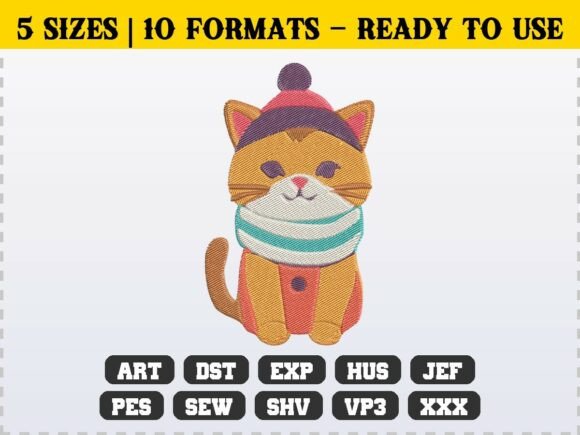
The first impression is undeniably warm. The concept of a ginger kitten bundled in a colorful sweater hits that sweet spot between whimsical and cozy that defines the season. However, in the world of commercial embroidery, cuteness doesn't pay the bills—execution does. My initial review focused on how this digital embroidery file translates from a pixelated preview to a tangible finished product.
Visual Personality and Stitch Logic
The layout of this design suggests a strong reliance on fill stitch for the cat's body and the sweater, which is appropriate for creating that soft, plush look associated with winter themes. The visual personality is friendly and inviting, making it an excellent candidate for personalized gifts or boutique branding. However, the complexity of the "colorful sweater" mentioned in the description raises immediate questions about thread colors and color changes.
In a real-world scenario, every color change adds time to the production cycle. If this design utilizes too many distinct shades for the sweater stripes, it might slow down a high-volume run for an Etsy seller preparing for the December rush. That said, if the file uses smart color blocking, it could result in a vibrant sweatshirt embroidery piece that stands out on a crowded craft fair table. The key here is the transition between the satin stitch outlines (likely used for the eyes or scarf details) and the denser fill areas. A well-digitized file will manage these transitions smoothly to prevent thread nesting.
Real-World Application: The Holiday Tote Test
To truly gauge the value of this embroidery project, I mentally simulated stitching it onto a canvas tote bag design. This is a popular item for small shop products during the holidays. The ginger cat motif works exceptionally well here because the neutral background of a canvas bag allows the "colorful sweater" to pop without clashing.
Imagine a customer walking into a boutique and seeing a row of these totes. The emotional connection is instant; it evokes feelings of home and comfort. For a craft business, this translates to higher buyer engagement. However, the size of the design relative to the bag matters. If the file is too large, it might distort on the side seams; if too small, the details of the kitten's face could get lost. This is where checking the available hoop size options becomes critical before purchasing.
Beyond tote bags, this design shines as baby embroidery. A onesie or a burp cloth featuring this winter cat would be a bestseller. The rounded shapes typical of cartoon animal designs are generally forgiving on stretchy fabrics, provided the correct stabilizer is used. For a custom apparel decorator, this offers a versatile asset that can be scaled down for chest pockets on flannels or scaled up for the back of a holiday ugly sweater.
Navigating Fabric Textures and Challenges
While the design is charming, it demands respect regarding fabric selection. The description hints at a "striped" element, which implies fine detail. On textured fabrics like heavy wool blankets or looped towels, these fine lines might get swallowed by the fabric texture. In such cases, I would advise testing the design on a scrap piece first. If the stitch density is too high for a thick towel, the result could be stiff and uncomfortable, detracting from the cozy vibe the design intends to convey.
Furthermore, applying this to curved surfaces like caps requires caution. Unless the digitizer specifically created a version for hats, the perspective might look off, and the underlay might not be sufficient to prevent the design from sinking into the crown of the cap. For embroidered patch creation, however, this design is likely ideal. Patches allow for dense stitching on a stable backing, ensuring every detail of the kitten's expression remains crisp.
Commercial Viability and Brand Consistency
For creative entrepreneurs, the question isn't just "can I stitch this?" but "does this build my brand?" The Cute Winter Cat Pet Christmas Embroidery fits seamlessly into a brand identity focused on warmth, family, and handmade quality. It enhances handmade presentation by adding a professional, custom touch that mass-produced prints cannot replicate.
When considering printable mockups for online listings, this design offers great versatility. It photographs well against both light and dark backgrounds, assuming the thread contrast is managed correctly. A common pitfall is using dark thread on dark fabric without enough outlining; always check if the design includes a border or if you need to add one manually to ensure visibility.
From a trust perspective, delivering a clean, well-stitched product builds customer loyalty. If the running stitch details in the whiskers or scarf fray after the first wash, it reflects poorly on the maker. Therefore, understanding the stitch types used in the file is essential. If the file relies heavily on long running stitches for structure, it might not hold up to frequent washing, making it better suited for decorative items like pillow covers rather than daily-wear custom apparel.
Practical Notes for the Professional Maker
Before committing this design to a client order, there are several technical boxes to check. First, verify the licensing terms. Just because a file is cute doesn't mean it's cleared for commercial embroidery use. Ensure you have the right to sell finished items or if the license restricts you to personal use only.
- Stabilizer Selection: Given the likely mix of fills and details, a cut-away stabilizer is probably safer than tear-away, especially for garments that will be worn and washed often.
- Thread Contrast: Test the design in black and white (or grayscale) on your monitor first. This helps identify if the tonal values are distinct enough to separate the cat from its sweater.
- Density Check: Look closely at the sweater area. If the stitch count seems excessive for the size, consider reducing the density slightly in your software to improve drape on soft fabrics.
- Scrap Testing: Always stitch a sample on the exact fabric you intend to use. What looks good on cotton might pucker on fleece.
Ultimately, the Cute Winter Cat Pet Christmas Embroidery appears to be a strong contender for the holiday season. Its strength lies in its emotional resonance and versatility across various design assets. Whether you are creating a holiday embroidery gift for a neighbor or stocking your small shop product line with festive gear, this design has the potential to perform well. However, its success depends entirely on the preparatory work: choosing the right materials, understanding the stitch structure, and respecting the limitations of your machinery. With careful execution, this little ginger kitten can become a standout star in your winter collection.